
Community of Practice
Newsletter
We Are Back with the Third Edition Newsletter!
Listed below are interesting recent publications in the wider peatland community of practice. These are not publications directly from our project, but do involve project team members. As a reminder, we are very happy to highlight wider, relevant publications from our community members in our newsletters
We also just completed a fieldwork trip in Malaysia and held a collaborative meeting with another APN project team at Monash Malaysia, aimed at exploring synergies between our projects, particularly in reconciling data uncertainties with effective climate communication.
Stay tuned for more project updates and research highlights around peatland in Southeast Asia!
Journal Articles
Strong climate mitigation potential of rewetting oil palm plantations on tropical peatland
Nisa Novita, Adibtya Asyhari, Rasis P. Ritonga, Adi Gangga, Gusti Z. Anshari, Joni Jupesta, Jennifer C. Bowen, Nurul Silva Lestari, J. Boone Kauffman, Alison M. Hoyt, Clarice R. Perryman, Israr Albar, Chandra Agung Septiadi Putra, Wahyu Catur Adinugroho, Bondan Winarno, Miguel Castro, Samantha Yeo, Tryan Budiarna, Eko Yuono, Velyn C. Sianipar in Science of the Total Environment volume 952 (2024)
The study highlights that peatland rewetting significantly lowered CO₂ fluxes without clear shifts in CH₄ emissions. Conducted in West Kalimantan, Indonesia, it measured CO₂ and CH₄ fluxes, soil temperature, and water table levels across drained oil palm plantations, rewetted oil palm plantations, and secondary forests. Rewetting in oil palm plantations reduced heterotrophic respiration by 34% and total soil respiration by 20%, though CO₂ emissions did not reach the lower levels observed in secondary forests, likely due to differences in vegetation and land management. Notably, peatland rewetting could contribute up to 13% of Indonesia’s total mitigation potential from natural climate solutions, and if applied to degraded oil palm plantations in West Kalimantan, it could reduce emissions by 3.9 MtCO₂ per year. These findings provide valuable insights for refining country-level emission factors and enhancing strategies for peatland restoration.

Fate of methane in canals draining tropical peatlands
Clarice R. Perryman, Jennifer C. Bowen, Julie Shahan,Desi Silviani P.A.B, Erin Dayanti, Yulita Andriyani, Adibtya Asyhari, Adi Gangga, Nisa Novita, Gusti Z. Anshari, & Alison M. Hoyt in Nature Communication 15 9766 (2024)
The article examines how drainage canals in Southeast Asian peatlands influence methane (CH₄) emissions. While draining peat soils has reduced CH₄ emissions from the soil itself, the study highlights that drainage canals can act as potential hotspots of CH₄ emissions. However, CH₄ oxidation by methanotrophic microorganisms plays a crucial role in mitigating these emissions, consuming 76.4 ± 12.0% of potential canal CH₄ emissions and reducing emissions by approximately 70 mg CH₄ m⁻² d⁻¹. Given that drainage canals cover over 65% of Southeast Asian peatlands, the study underscores the need to account for both emissions and oxidation processes when assessing the overall greenhouse gas impact of peatland drainage. Moreover, methane oxidation significantly alters the stable isotopic fingerprint of CH₄ emissions, providing new insights into methane dynamics in tropical peatland landscapes.
Seasons of the Anthropocene: Politicization of the haze season in Southeast Asia
Helena Varkkey, Felicia Liu, Thomas Smith, Sophie Trott in Singapore Journal of Tropical Geography volume 46 (2024)
Over the past three decades, the term ‘haze season’ has emerged in Indonesia, Malaysia, and Singapore, signifying public recognition of recurring peatland fire-driven air pollution. This study examines the political ecology behind framing haze as ‘seasonal’ through discourse analysis of media, government, corporate, and NGO narratives. It identifies three dominant storylines: (1) ‘it keeps coming back’, (2) ‘it will go away’, and (3) ‘it is normal’, each serving different political and ecological agendas. While seasonal framing can enhance preparedness, it may also normalize the issue, reducing urgency for mitigation. Understanding these competing narratives is crucial for shaping effective responses to haze and other environmental crises in the Anthropocene.
Project Update
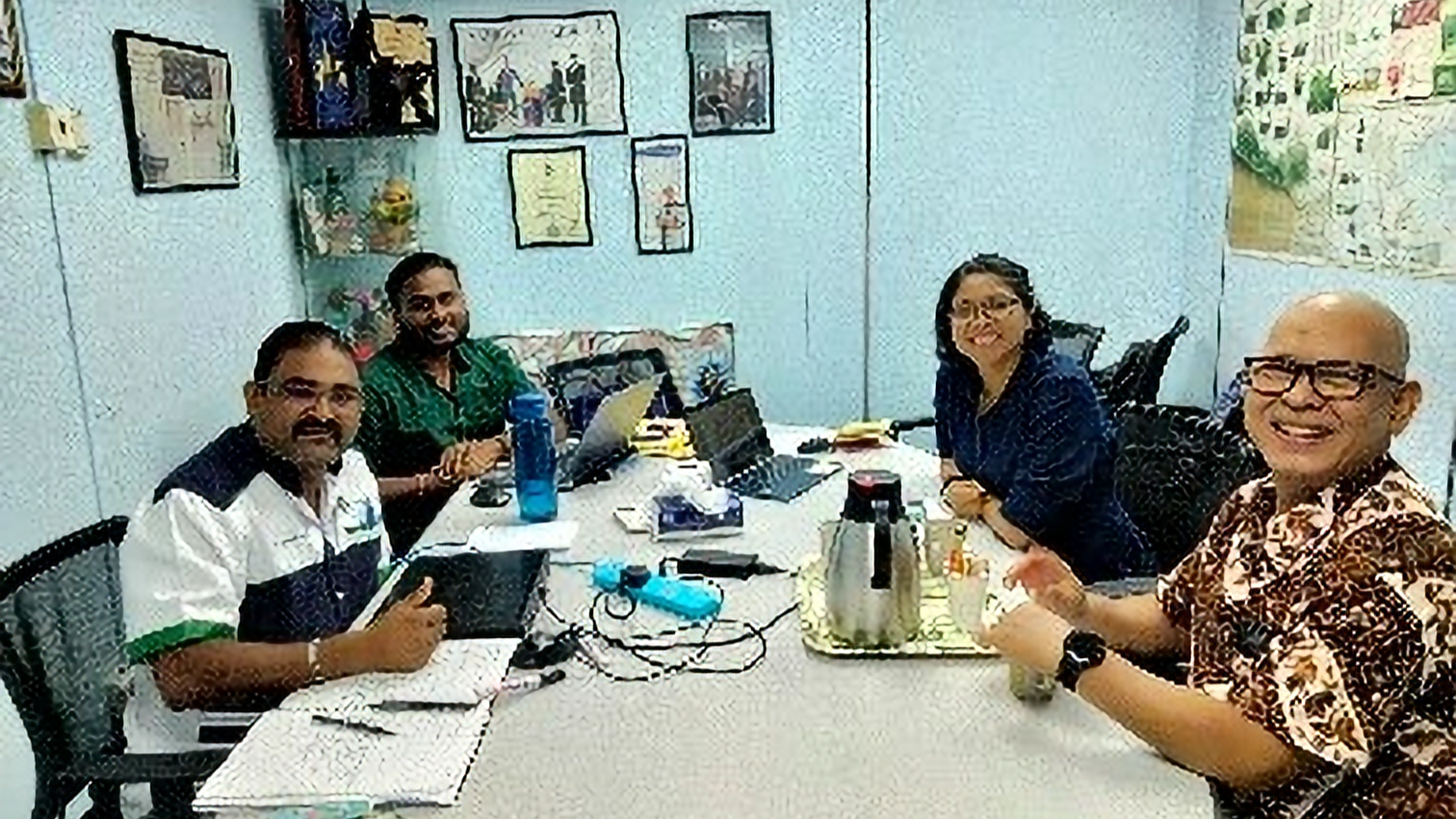
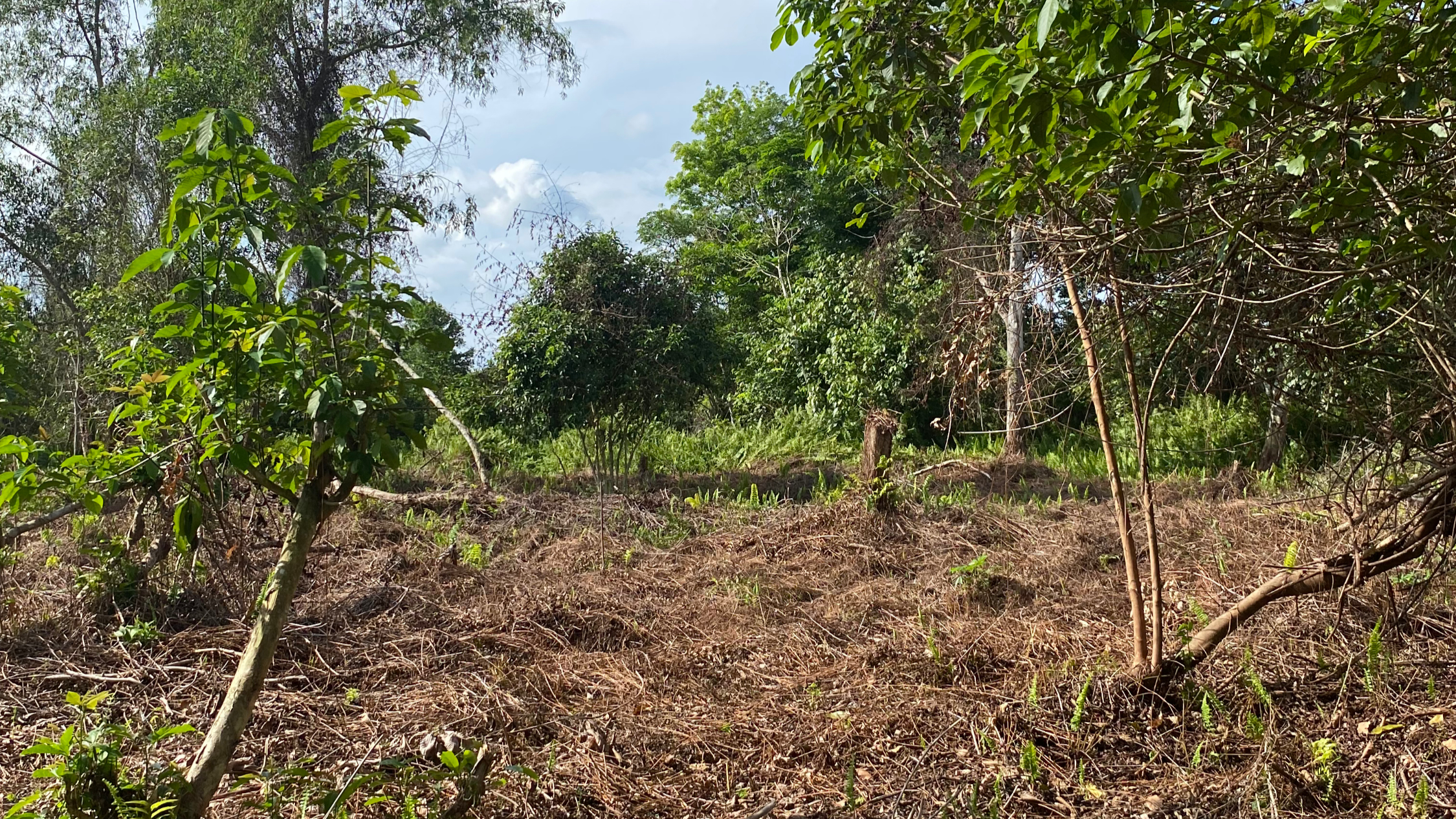
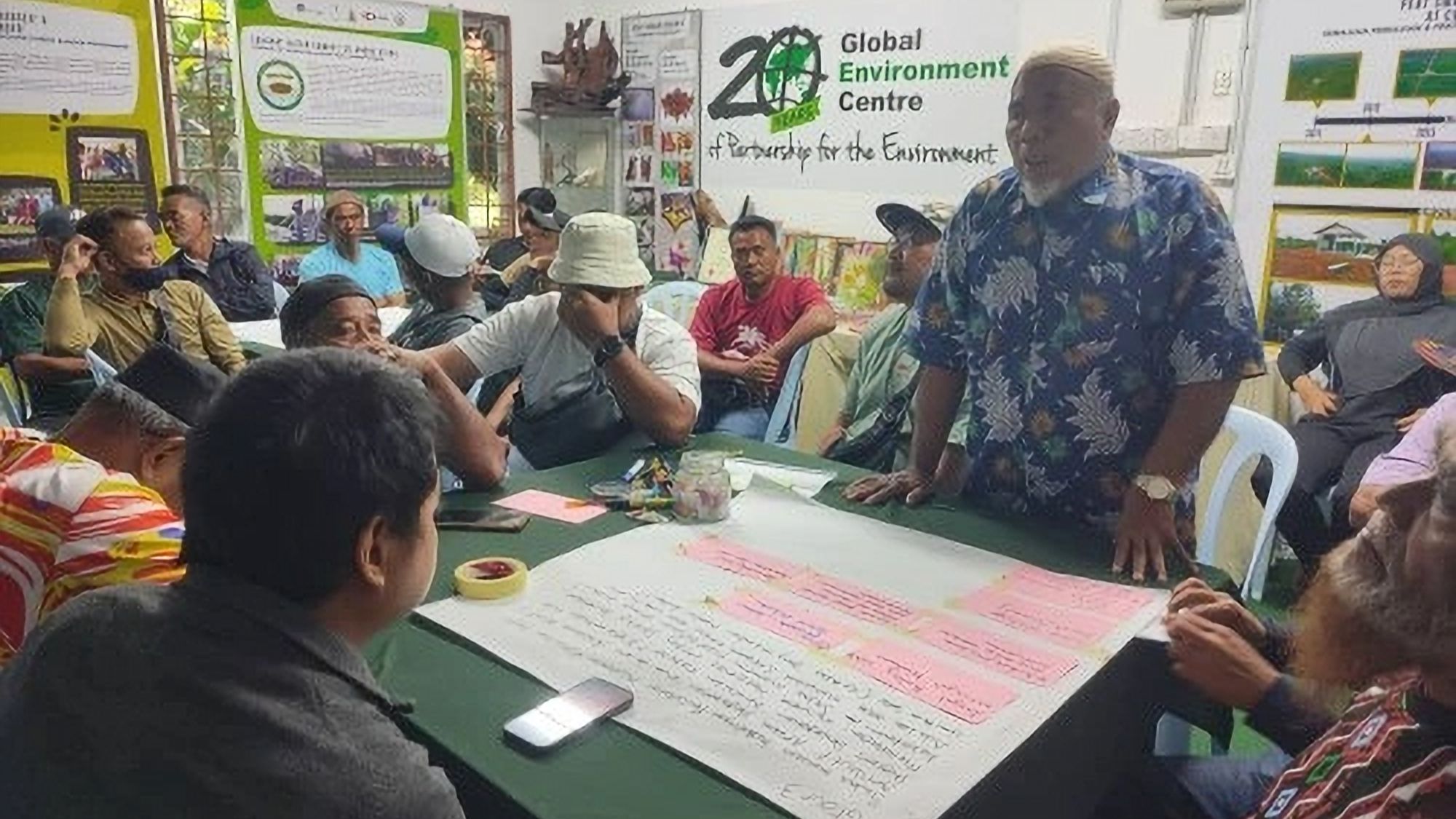
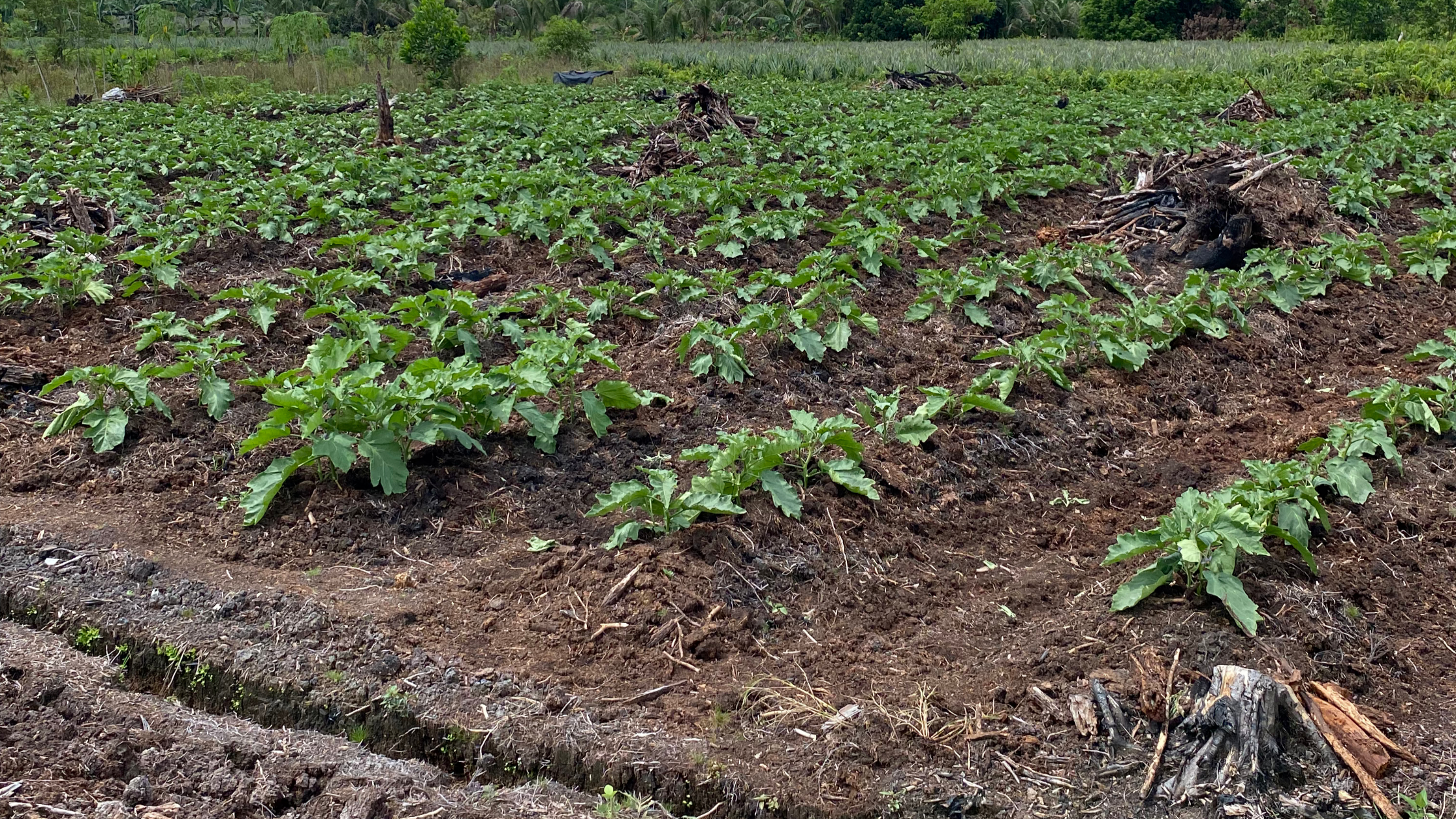
Field work in Malaysia
January 19 to 23, our team conducted fieldwork in Malaysia, building on insights gained from our previous work in Indonesia. During this trip, we engaged with peatland communities in Kuala Selangor and held discussions with government agencies, NGOs, and private companies involved in peatland conservation and business. These conversations provided valuable perspectives on the challenges and opportunities in sustainable peatland management.
One of the key highlights of this period was an online collaborative meeting with another APN project team at Monash Malaysia. The discussion focused on exploring synergies between our research projects, particularly in reconciling data uncertainties with effective climate communication.
If you have relevant articles, research, or other resources that you believe would benefit our members, please feel free to share them with us for inclusion in future newsletters. Your contributions can help enhance knowledge exchange and foster collaboration across the region. If you would like to unsubscribe from this newsletter, send us an email at SEApeat.toolkit@gmail.com, and we will remove you from our list.
Thank you!
The APN-SEAPeat Team