Connecting science, policy and communities for resilient Southeast Asian peatlands
|
Connecting science, policy and communities for resilient Southeast Asian peatlands
|
Connecting science, policy and communities for resilient Southeast Asian peatlands
|
Connecting science, policy and communities for resilient Southeast Asian peatlands
|
Connecting science, policy and communities for resilient Southeast Asian peatlands
|
Connecting science, policy and communities for resilient Southeast Asian peatlands
|
Connecting science, policy and communities for resilient Southeast Asian peatlands
|
Connecting science, policy and communities for resilient Southeast Asian peatlands
|
Connecting science, policy and communities for resilient Southeast Asian peatlands
|
Connecting science, policy and communities for resilient Southeast Asian peatlands

Sustainable Peatland Governance

SEAPEAT addresses the urgent intersection of climate change and transboundary air pollution by integrating carbon emissions governance with haze mitigation in Southeast Asian peatlands.

Community toolkit ENCommunity toolkit is available in three languages. BMKit alat komuniti tersedia dalam tiga bahasa. BIKit komunitas tersedia dalam tiga bahasa.
Scroll to Explore
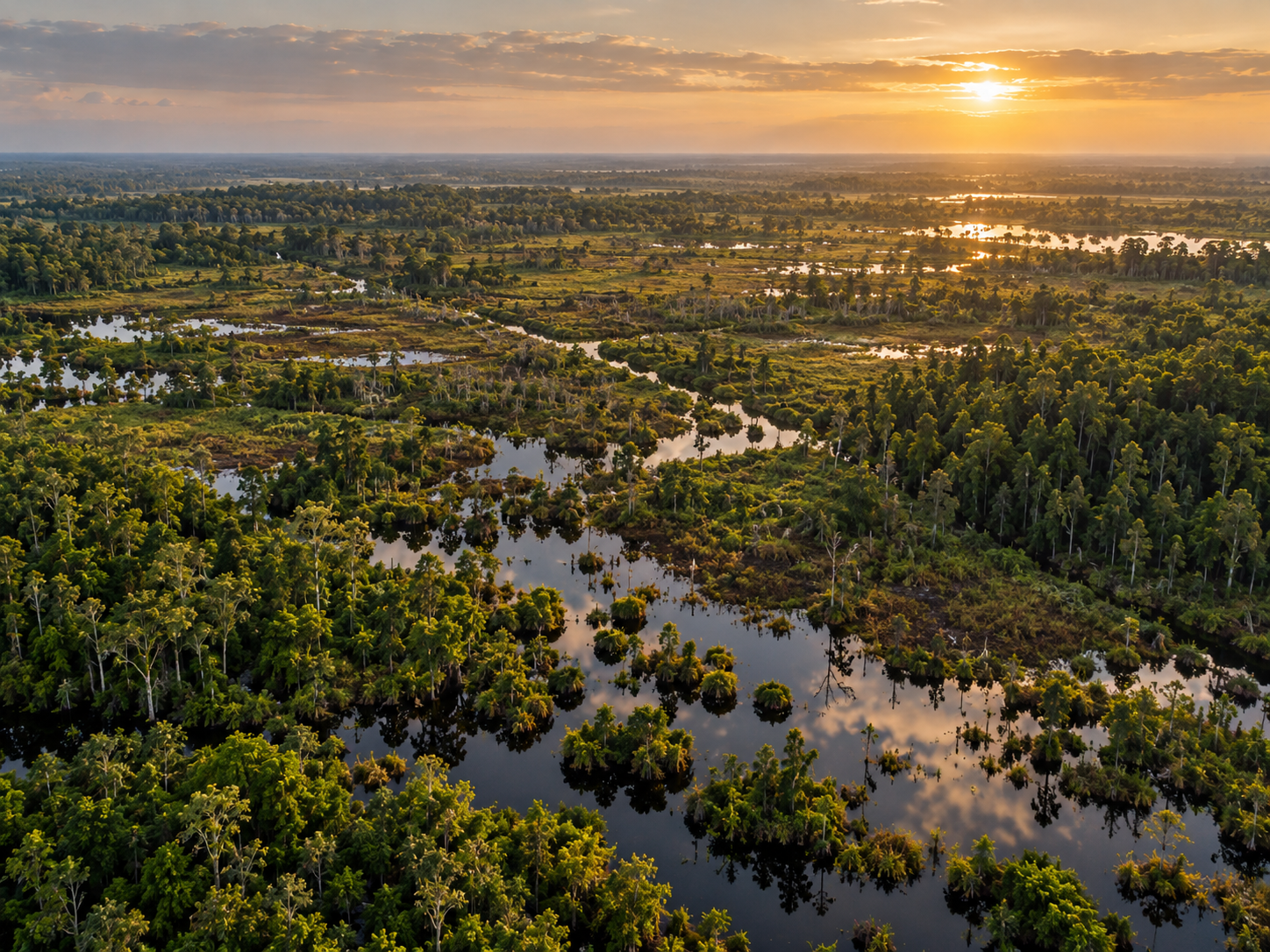
Sunlight through intact peat swamp forest with buttressed roots above dark water
Why Peatlands Matter

Protecting peatlands supports climate, health, biodiversity and livelihoods

Carbon-Rich Ecosystems
01

Healthy peatlands store large amounts of carbon and help limit greenhouse-gas emissions.

Haze and Public Health
02

When drained peatlands burn, the resulting smoke can travel across borders and threaten public health.

Biodiversity and Water
03

Peatlands support unique ecosystems, regulate water and provide habitats for diverse plant and animal life.

Community Livelihoods
04

Sustainable peatland governance must protect local interests, knowledge, participation and long-term livelihoods.
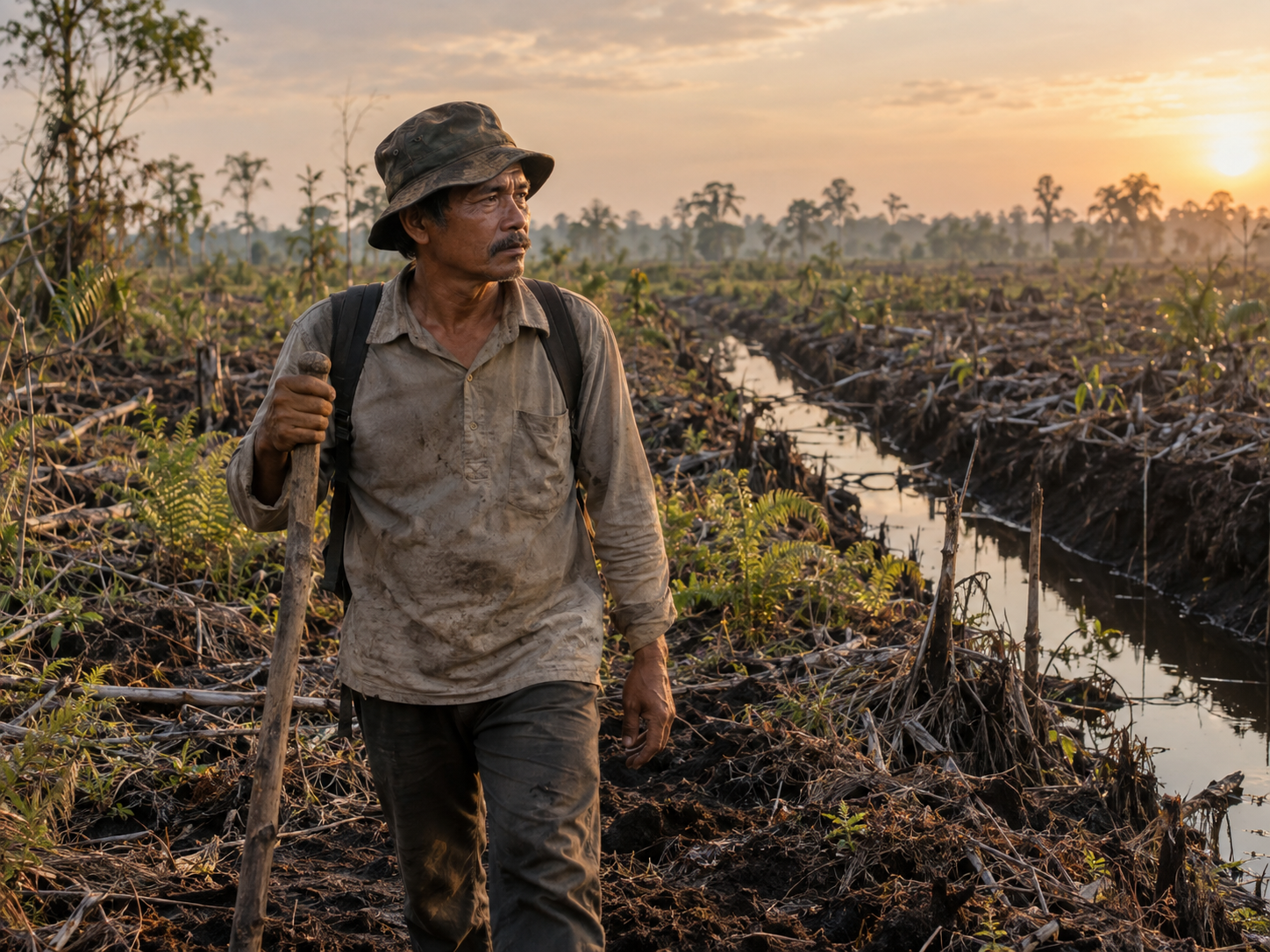
A man standing beside a drainage canal in cleared peatland
The problem
The Problem

Climate change and haze are one problem, governed as two

Haze and climate change are related and compounding problems. Haze-producing fires accelerate carbon release from peatlands, and a warmer and drier climate supports more severe fire events. Yet these issues have largely been treated separately in policy and governance, creating challenges for effective peatland management and missed opportunities for sustainability.
Our Approach

One integrated response to two connected crises

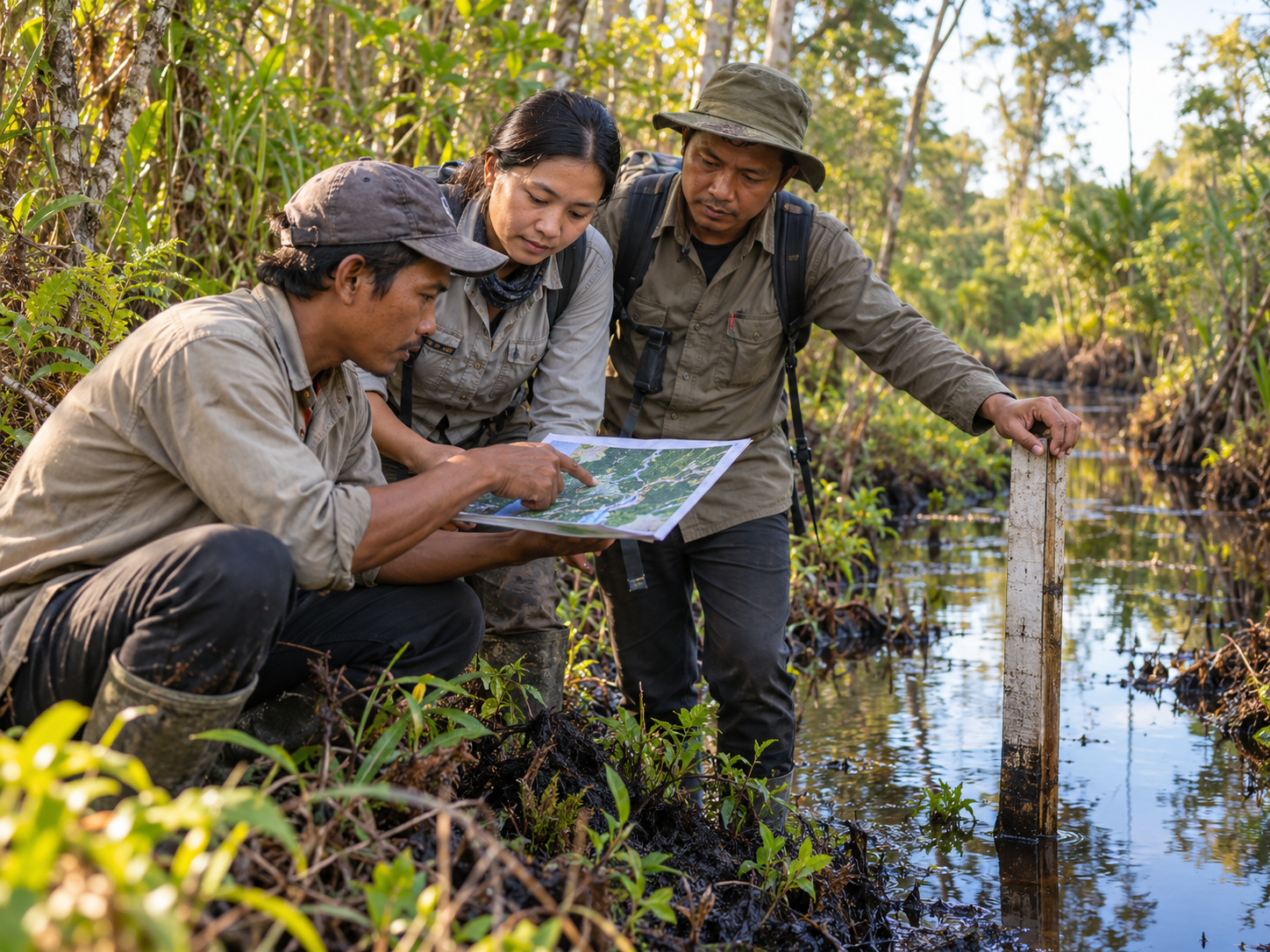
Working across science, policy and community engagement in Malaysia, Indonesia and Singapore, SEAPEAT builds the shared evidence base needed to align carbon and haze governance rather than treat them as competing agendas.

Three people studying a map beside a peatland water channel
Our approach
Toolkits

Explore our project outputs –
Two toolkits for two audiences

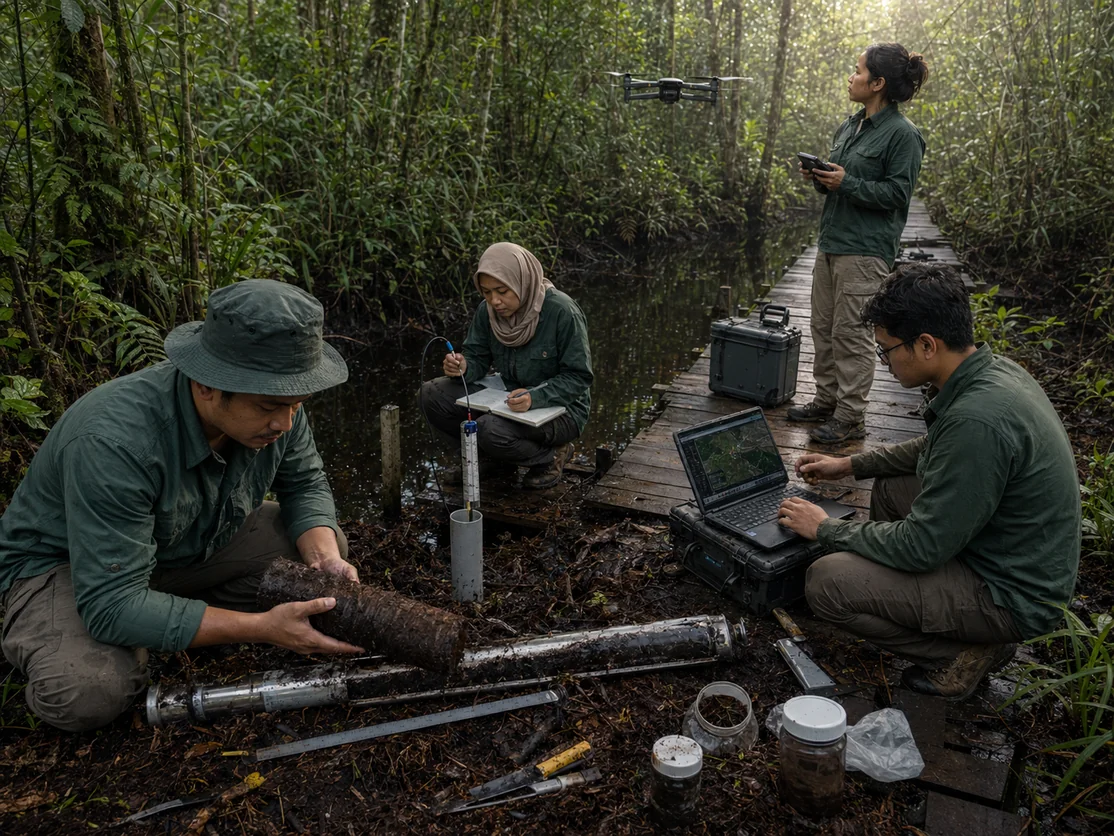
Field team extracting and logging a peat core beside monitoring equipment
Researcher toolkit

A curated knowledge hub featuring an interactive Google Earth Engine platform and other project resources, to build capacity in peatland science and governance in Southeast Asia.

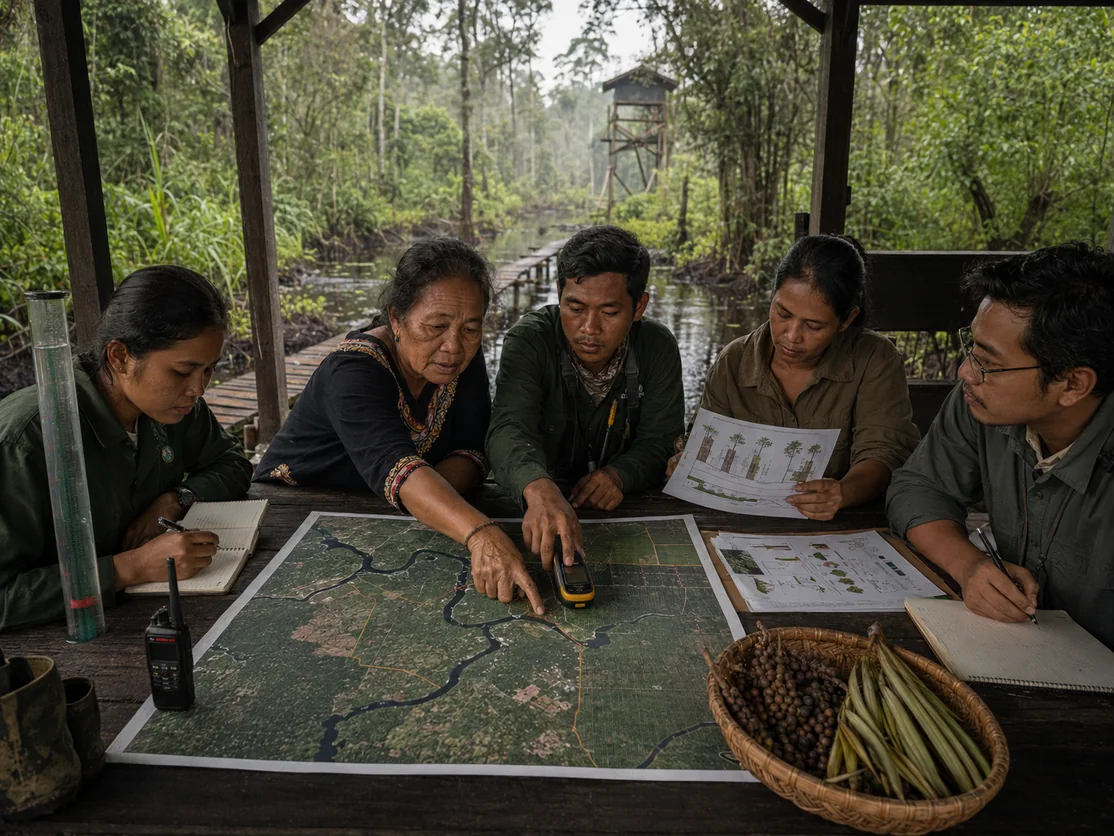
Community members and researchers reading a peatland map together at a field station
Community toolkit

Accessible, multilingual resources and a checklist to help peatland communities understand carbon projects, negotiate fair deals, and protect their lands and livelihoods.